
Why Finger Injuries Need Proper Care: Understanding the Hidden Risks of “Jammed” or Sprained Fingers
January 29, 2026
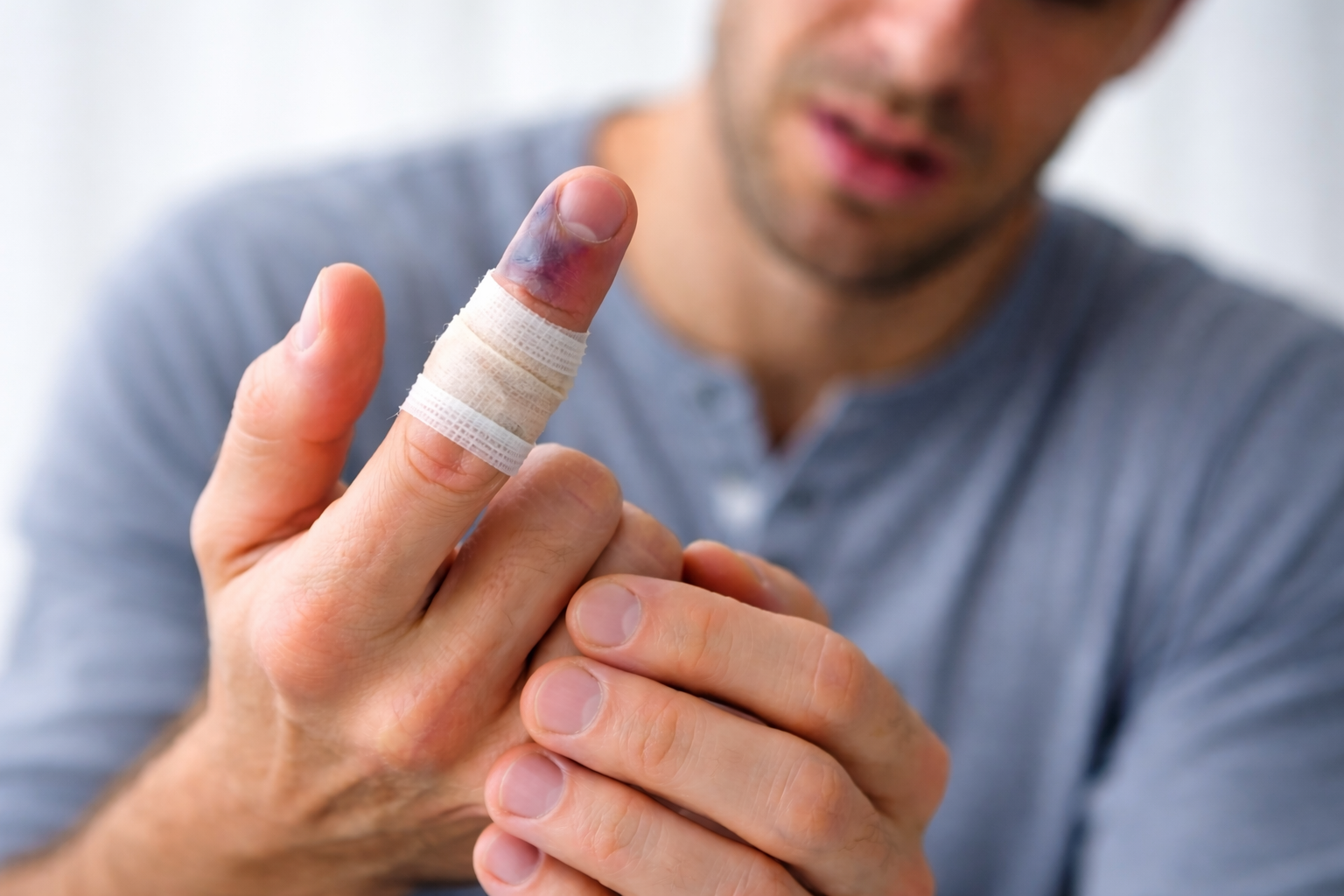
It only takes a moment—a ball hits your hand, a door closes quickly, or you land awkwardly during a fall. At first, you may think it’s just a “jammed” finger and that it will settle down on its own. But these small injuries can lead to long-term problems if they’re not given the right attention early on.
At Hands for Living, we see how even mild finger injuries can affect daily tasks like holding a pen, gripping tools, or buttoning a shirt. That’s why we encourage people not to ignore these seemingly minor setbacks.
What’s Actually Happening in a Finger Sprain or Dislocation?
Finger joints are supported by ligaments—tough bands of tissue that keep the bones in place and allow movement. When the finger is pushed beyond its normal range, those ligaments can stretch or tear. In some cases, the bones may briefly shift out of place before moving back again. You might not even realise this has happened in the moment.
Even without a full dislocation, swelling builds up quickly in the small spaces around the joints. If that swelling is not managed well, it can lead to stiffness and limited movement down the line.
What to Watch Out For
The signs of a finger injury vary depending on how severe it is. You might notice:
- Pain at the joint, especially when bending or straightening
- Swelling or bruising
- A feeling of weakness or instability during grip
- A finger that looks slightly crooked or doesn’t move as smoothly as usual
These symptoms are often brushed aside. But when movement doesn’t return within a few days—or if pain lingers—it’s worth having it assessed properly.
Why Early Assessment Makes a Difference
Finger injuries don’t just affect the joint. They can also involve the surrounding ligaments, tendons, and soft tissues. The sooner you understand what’s happening inside the joint, the more targeted your recovery can be.
At Hands for Living, hand therapy for finger injuries focuses on:
- Managing swelling in the early stages
- Protecting healing tissues with custom orthoses (not rigid casts that limit recovery)
- Gently restoring movement with simple, guided exercises
We also help identify where stiffness is coming from—whether it’s the joint itself, scar tissue, or lingering inflammation—so you can move forward with the right treatment.
What If the Finger Feels “Almost Better”?
Sometimes an injury feels better initially, but progress stalls. If your finger won’t fully straighten, or bending remains painful, this could be a sign of deeper joint tightness or missed instability.
The good news is that with support, many people make a full recovery—even if the injury happened weeks or months ago.
Small Injury, Big Impact
Your fingers are involved in nearly every part of your day—from tying shoelaces to texting or picking up a cup. A lingering finger issue can disrupt work, hobbies, and comfort. That’s why proper care makes a real difference.
With early support and expert guidance, most finger injuries improve well—without stiffness or long-term limitation.

