
What to Expect at Your First Therapy Appointment After Surgery
March 31, 2026
After surgery on your hand, wrist, elbow, or shoulder, it is normal to feel unsure about what comes next. Many people worry about pain, movement, or whether they might do something wrong. Your first therapy appointment is designed to guide you safely through this early stage of recovery and help you feel confident about the process ahead.
Knowing what to expect can reduce anxiety and make the experience far more comfortable.
Why Therapy Starts Soon After Surgery
Surgery is only one part of recovery. What happens in the weeks that follow plays a major role in how well your movement, strength, and comfort return. Early hand therapy helps protect healing tissues while preventing stiffness, swelling, and loss of function.
Your therapist’s role is to balance protection with safe movement so recovery progresses without setbacks. Healing after surgery continues for twelve to eighteen months, but the first few weeks are critical to getting the best possible outcome.
Your First Appointment Is About Understanding You
The first session usually begins with a detailed conversation. Your therapist will ask about your surgery, your symptoms, and how your hand or arm feels day to day. This is also your opportunity to ask questions or share concerns.
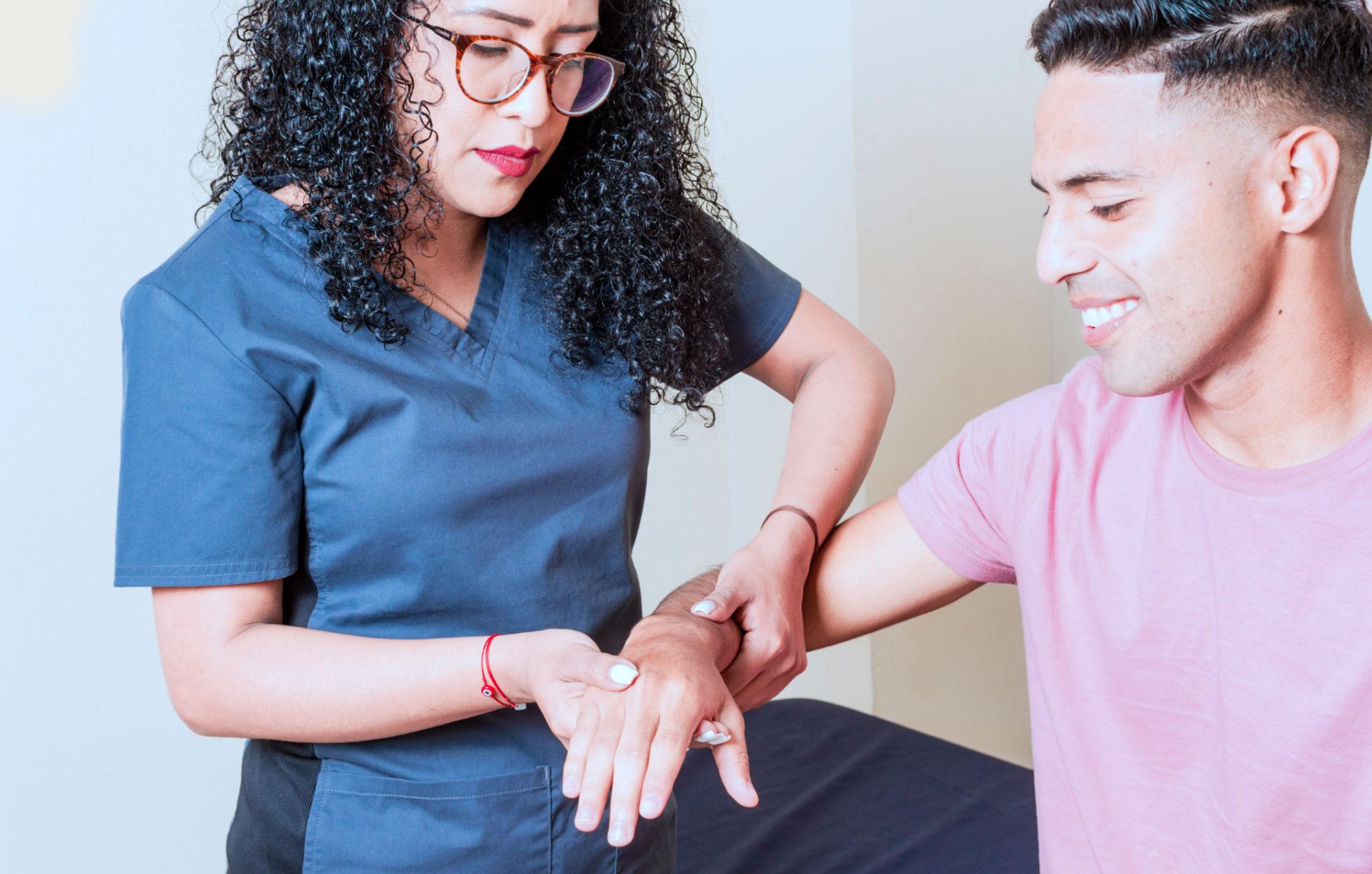
They will gently assess things such as swelling, range of motion, scar healing, and how you are using your arm at home. Nothing is rushed. The goal is to understand what your body needs at this stage of healing.
Support and Protection When Needed
Many people attend their first appointment wearing a post surgical splint or dressing. In some cases, a custom brace, or orthosis, is made during this visit. These supports are designed to protect healing structures while allowing safe movement where appropriate.
A well fitted orthosis should feel supportive rather than restrictive. Your therapist will explain when to wear it, when to remove it, and how it fits into daily activities.
Gentle Movement and Early Exercises
Movement does not always mean strengthening. Early exercises are often very gentle and carefully chosen to support healing. These may focus on reducing stiffness, encouraging circulation, and preventing joints from becoming tight.
Your therapist will show you exactly what to do and how often to do it. Quality matters more than quantity at this stage, and exercises are always matched to your surgery and healing timeline.
Managing Swelling and Discomfort
Swelling is common after surgery and can limit movement if not addressed. Your therapist may introduce strategies such as positioning, gentle massage, compression, or specific movements to help manage this.
Pain levels are always respected. Therapy should feel supportive, not overwhelming. If something feels uncomfortable, adjustments are made to ensure that activities or exercises are safe, effective, and as comfortable as possible.
Education Is a Key Part of the Session
One of the most important parts of the first appointment is education. You will leave knowing what is safe, what to avoid, and what is normal during recovery. Understanding why certain movements are limited or encouraged helps reduce fear and builds confidence.
Clear guidance helps prevent overdoing things or holding back too much.
Building a Plan for Recovery
Before you leave, your therapist will outline what the next phase of recovery looks like. This may include how often you will attend therapy, how your exercises will progress, and what milestones to expect.
Recovery is not a straight line, and plans are always adjusted as your body responds. The focus is on steady, supported progress.
A Supportive Start to Healing
Your first therapy appointment after surgery or cast removal is about setting the foundation for recovery. It is a chance to ask questions, feel reassured, and understand how therapy supports healing beyond the actual surgery itself.
With the right guidance early on, recovery becomes clearer, calmer, and more manageable.

